


Rejection-Sensitive Dysphoria (RSD) Managing Overwhelming Emotions as a Neurodivergent Adult
Can you remember the last time you experienced rejection or criticism?
Perhaps a friend told you that they couldn’t make it to your social gathering, or your workplace told you that you failed to meet a recent business target, or your work needs improvement.
This rejection or criticism is a universal human experience that we all go through at some point in our lives, but that does not make it any less painful.
For some people, rejection can feel uncomfortable or hurtful for some time, but you can manage it over time. You might feel disappointment, sadness, anger, or embarrassment, but these emotions don’t consume your daily life.
However, for some neurodivergent individuals, rejection may be experienced more intensely. You may feel an overwhelming physical or emotional pain in response to real or perceived criticism.
A simple “okay” comment, a change in tone, or a delayed response to a text can send you on an emotional rollercoaster.
From the outside, people may feel that these responses are disproportionate to the actual rejection or criticism experienced.
If this resonates with you, you may be experiencing rejection-sensitive dysphoria (RSD).
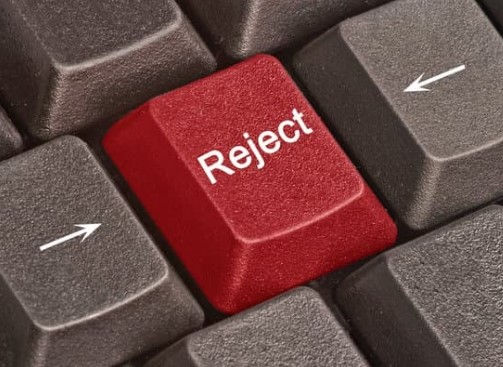
For adults with ADHD, emotions can become especially intense when experiencing RSD. It can impact your ability to make friends, build relationships, manage your emotions, or focus on other work, academic, or home responsibilities.
Rejection-sensitive dysphoria may impact your ability to manage your emotions or focus on other responsibilities.
Fortunately, support is available. At Bee Kind Counselling, a neurodiversity-affirming therapy clinic in Ontario, Canada, you can see an Ontario neurodiversity-affirming therapist to help you navigate RSD.
But before we get to an in-depth understanding of the support available to you, this edition of Bee Kind Counselling’s neurodivergent blog will focus on exploring what RSD is, the signs of this phenomenon, why it happens, and some neurodiversity-affirming strategies to cope with it in daily life.
What Is Rejection-Sensitive Dysphoria (RSD)?
Rejection-sensitive dysphoria (RSD) is not an official medical condition or clinical diagnosis recognized in the DSM-5. However, it is a term that clinicians and neurodivergent individuals widely recognize.
The word “dysphoria” has Greek roots and refers to deep emotional distress, discomfort, or pain.
RSD describes the experience of heightened emotional or physical pain that occurs in response to real or perceived rejection, exclusion, or criticism.
Although experiencing some level of hurt in response to rejection, exclusion, or criticism is normal, people with rejection sensitivity may have a stronger emotional response or reaction to rejection that appears out of proportion to what would typically be experienced.
This emotional response may involve rage, anxiety, sadness, grief, or frustration, among other emotions.
Individuals with RSD may also worry or become anxious about the thought of being rejected or interpret even small cues, words, or responses as rejection when they were not meant that way.
Even though everyone can experience rejection or develop rejection sensitivity, RSD is often associated more strongly with ADHD and other forms of neurodivergence, especially in individuals with more impacted emotional regulation systems.
Rejection Sensitivity vs. RSD
Everyone may feel hurt by rejection. It is a normal human experience. Rejection sensitivity can show up as:
Feeling hurt or anxious after criticism
Brief emotional discomfort
Awareness that emotions may be amplified
However, RSD differs from rejection sensitivity because it is more intense and has a greater impact on functioning. RSD involves:
Emotional pain that feels overwhelming or “unbearable” to handle or manage
Strong physical reactions alongside emotional distress
Difficulty calming down once triggered
Deep fear of future rejection
In RSD, the nervous system can respond as if rejection is a threat, even when no actual danger is present.
What Are the Symptoms of Rejection-Sensitive Dysphoria?
Rejection-sensitive dysphoria manifests in different ways depending on the individual. However, RSD involves similar signs across people. These signs can be broken down into different categories. Let’s explore these categories below.
Emotional Symptoms
RSD may show up in various ways related to emotions and mood, including:
Strong fear of rejection or criticism
Emotional outbursts or shutdowns
Intense emotions to rejection, including rage or sadness
Irritability or sudden mood changes, like anxiety or depression, due to rejection
Intense shame, self-blame, or embarrassment after rejection
Rumination or replaying interactions repeatedly
Feelings of hopelessness when experiencing exclusion, criticism, or rejection
Physical Symptoms
Rejection-sensitive dysphoria can also show up as physical sensations in your body, as follows:
Tightness in your chest
Stomach discomfort
Racing heartbeat
Intense sweating
Heavy breathing
Shaking or feeling hot flashes
Tension headaches
Muscle stiffness
Feeling physically “hit” by emotional pain
Behavioural Symptoms
People-pleasing or perfectionism to avoid rejection
Withdrawing from social gatherings or situations to avoid rejection
Avoiding tasks whenever you could experience criticism
Having a difficult time voicing your feelings or emotions
It’s important to note that these signs can occur in response to perceived or imagined rejection, too.
The Emotional Cycle of RSD
RSD can create a cycle where fear of rejection leads to behaviours meant to prevent rejection, but rejection still feels painful when it occurs.
Even neutral messages, like “okay” or a short reply, can be interpreted as criticism and cause these symptoms.
The repeating pattern of RSD often shows up as the following:
Anticipation of rejection or criticism
Heightened anxiety or emotional sensitivity
Perceived or actual rejection occurs
Intense emotional reaction
Withdrawal, rumination, or self-criticism
Efforts to prevent future rejection (people-pleasing, perfectionism)
Breaking this cycle often involves building awareness, emotional regulation skills, and supportive environments.
What Triggers Rejection-Sensitive Dysphoria?
RSD triggers can vary from person to person, but the trigger is often specific to situations that involve real or perceived judgment. Common triggers for RSD include:
Criticism (even constructive feedback)
Conflict or disagreement
Feeling excluded or left out
Teasing or jokes interpreted as rejection
Ambiguous communication (tone, text messages, silence)
Self-criticism or perfectionistic thoughts
Fear of disappointing others
Sometimes, even if you anticipate that you may experience rejection, this can also trigger a strong emotional response.
What Causes RSD?
There is no exact cause of RSD at the current moment. However, research and clinical observations suggest that it involves a combination of biopsychosocial factors.
Environmental Factors
A variety of factors in an individual's environment can lead to an increased risk for RSD. These environmental factors include:
Childhood trauma, bullying, or name-calling
A lack of a supportive environment
Limited guidance for developing healthy stress management
Chronic criticism or invalidation in childhood
Psychological Factors
Certain traits in an individual's personality or mindset can also make them more susceptible to RSD, including:
A tendency to people-please
Perfectionistic tendencies
Self-blame
The tendency to dwell on one’s thoughts
Genetic Differences
Certain changes within an individual's brain can make them at a greater risk for rejection-sensitive dysphoria.
For example, the amygdala (emotional processing) and prefrontal cortex (regulation and reasoning) may not communicate as efficiently in moments of emotional stress. This can lead the emotional amygdala to take over and lead to heightened emotional responses that feel difficult to control.
More research is still needed to fully understand RSD.
The Link Between RSD and ADHD
ADHD brains have differences in executive functioning and emotional regulation that can impact how the brain processes social cues, feedback, and perceived criticism.
While RSD is not officially recognized as a symptom of ADHD, it is commonly reported to occur among ADHDers and other neurodivergent individuals.
Some research suggests that the amygdala and prefrontal cortex may contribute to heightened emotional responses in those with ADHD. When experiencing rejection, the amygdala tends to take over, and the prefrontal cortex experiences challenges with controlling emotional responses.
The tendency for the emotional centre to take over may lead to the following:
Misinterpreting neutral feedback as rejection
Feeling emotions more intensely and quickly
Difficulty regulating emotional responses in the moment
Increased sensitivity in social situations
It’s important to note that RSD is not exclusive to ADHD and may also be experienced by autistic individuals or those with autism, anxiety, trauma, or other neurodivergent identities.
Coping Strategies for Rejection-Sensitive Dysphoria
There is no one-size-fits-all approach for RSD, but there are some neurodiversity-affirming strategies that can help you manage the emotional and physical experiences that come along with RSD. These strategies include the following:
Name the Experience: When you are experiencing intense emotions in response to real or perceived criticism, start by recognizing that this might be RSD. This can help create awareness and help create mental distance between the emotion and the situation.
Pause Before Reacting: Before you react to something that is real or perceived criticism, try to slow your nervous system and give yourself time. Use the STOP acronym, which involves stopping what you are doing, taking a step back, observing your surroundings and the situation, and then proceeding from a place of mindfulness, not impulsivity.
Reframe Interpretations: Consider how the perceived rejection or criticism may be saying something other than how you are interpreting it. Ask yourself, “What else could this mean?” or “Is there evidence of rejection, or am I guessing?” Sometimes, considering a different perspective can help you get out of an unhelpful rumination spiral.
Build Emotional Grounding Tools: If you experience RSD often, you may want to try building up your capacity to manage emotional dysregulation. This may involve adding deep breathing techniques, short walks, fidget tools, or the 5-4-3-2-1 sensory grounding technique to your emotional grounding kit.
Reduce the Pressure to Be Perfect: Often, the avoidance of situations that involve rejection or failure is strong in people with RSD. If you fear rejection and this is causing you to avoid tasks, try to focus on your progress instead of perfection. Recognize that mistakes are human and they are not evidence of rejection or failure. Mistakes occur to the best of us.
Strengthen Supportive Relationships: When you experience RSD, it can feel like everyone doesn’t like you. Focus on building safe relationships, which can buffer the intensity of rejection sensitivity.
Practice Self-Compassion: The experience of RSD can be overwhelming and create shame. It’s important to practice self-compassion and support yourself the way you would a friend who is experiencing RSD. Recognize that RSD is not a character flaw and that experiencing this is human.
Looking for additional strategies? Read Distress Tolerance: How to Sit With Your Emotions
Therapy Support for RSD
There can be support with neurodiversity-affirming care. A neurodiversity-affirming approach focuses on understanding your emotional patterns without shaming or pathologizing your reactions to rejection.
Neurodiversity-Affirming Therapy in Canada can help you:
Understand emotional triggers.
Build emotional regulation skills.
Reduce shame and self-criticism.
Improve communication and boundaries.
Reframe rejection experiences.
Various therapeutic modalities can support you through RSD, including cognitive-behavioural therapy, dialectical behavioural therapy, and attachment-focused therapy.
FAQ About RSD
Is RSD part of ADHD?
RSD is not officially listed as a symptom of ADHD, but it is commonly experienced alongside ADHD-related emotional dysregulation.
Can you have RSD without ADHD?
Yes. While commonly linked to ADHD, RSD traits can also appear in autism, anxiety, trauma histories, and other neurodivergent experiences.
Does RSD go away?
RSD may not disappear entirely, but many people learn to manage and reduce its intensity with support and coping strategies.
Book a Free Consultation With Blue Sky Learning
Do you identify with these experiences of rejection-sensitive dysphoria?
Are you looking for support with navigating the emotional overwhelm?
At Bee Kind Counselling, neurodivergent-affirming therapists support individuals in understanding emotional patterns, building coping strategies, and developing self-compassion without judgment.
Email: admin@beekindcounselling.com, call 519-757-7842, or go through the website below to book a free 15-minute consultation with a therapist in Ontario, Canada.
Take the first step toward understanding your emotional experience in a supportive, affirming way.


Comments